
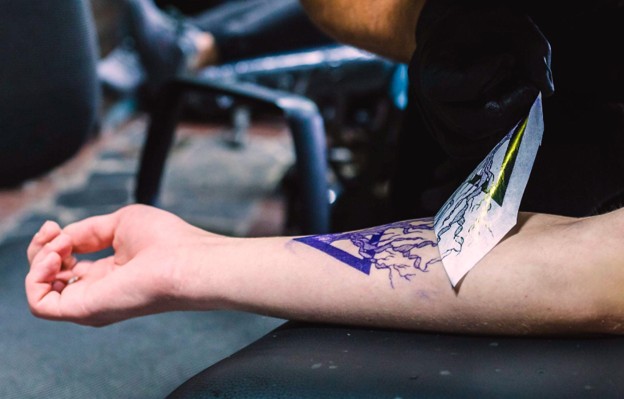
A reliable tattoo session starts well before the needle touches the skin. Tattoo transfer paper is one part of a larger preparation process that connects approved artwork, design reproduction, skin preparation, and stencil application. When a transfer fails, the paper may not be the only factor responsible. The underlying issue could involve an incorrect design version, unsuitable print settings, inconsistent application, or a workstation that was not ready for the task.
For professional artists, reducing stencil rework is less about finding a single product that solves every problem and more about building a repeatable process. A consistent workflow helps identify errors earlier, reduces unnecessary interruptions, and gives artists more confidence in the reference they use throughout a session.
Why Stencil Rework Often Begins Before Transfer
A stencil problem can become visible during application even when the original mistake occurred much earlier. For example, a design may have been printed at the wrong size, contain lines that are too faint to reproduce clearly, or include details that are difficult to distinguish once transferred. Changing the paper or applying more transfer solution will not necessarily correct these underlying issues.
A more useful approach is to examine the entire preparation sequence:
- Artwork readiness: Confirm that the design is approved, correctly sized, and suitable for stencil reproduction.
- Printing or tracing: Check that the selected method and materials are compatible and that the resulting lines are sufficiently clear.
- Material handling: Keep unused tattoo transfer paper protected from accidental marks, creasing, and unintended transfers.
- Skin preparation: Follow the appropriate hygiene procedures and the transfer product manufacturer’s instructions.
- Application and verification: Check placement and clarity before proceeding, rather than assuming that every part of the design transferred successfully.
These steps are connected. A problem at one stage can create extra work at the next, so troubleshooting should begin by identifying where the process first departed from the intended result.
Make Design Approval a Separate Checkpoint
One preventable source of rework is transferring artwork before the final version has been confirmed. A design may change during consultation, resizing, or placement planning. If the artist prints an earlier version, the transfer itself could be technically clean while still being unsuitable for the session.
A defined approval checkpoint helps separate creative decisions from production tasks. Before preparing the stencil, artists can verify that the client has approved the correct artwork, that the intended placement and dimensions have been considered, and that any agreed revisions are reflected in the final file.
This is particularly useful when a studio handles multiple appointments or when several people contribute to preparing the artwork. A clear naming convention for final files can help prevent outdated versions from being selected accidentally.
The principle is straightforward: verify the design before troubleshooting the material. Tattoo transfer paper can reproduce prepared artwork, but it cannot determine whether that artwork is the correct version for the appointment.
Match the Transfer Method to the Material
Not all transfer materials are designed for the same workflow. Some support freehand drawing or impact-based transfer, while others are compatible with thermal printing. Artists should confirm that their paper, printer, and transfer process are intended to work together.
S8’s RED Stencil Paper, 100 Count, is listed as compatible with thermal and impact methods as well as freehand use. The product page also identifies its red color as intended to provide visual separation when lining, particularly on lighter skin tones. These are product-specific characteristics, not a guarantee that every design will transfer or remain equally visible in every situation.
When evaluating tattoo transfer paper, artists should consider several practical factors:
- Method compatibility: Confirm that the paper supports the printer or transfer technique being used.
- Line visibility: Assess whether the resulting stencil makes the intended contours easy to distinguish.
- Design complexity: Examine whether small details and closely spaced lines remain legible after reproduction.
- Handling requirements: Follow the product’s instructions for removing protective layers and preparing the stencil for application.
- Storage and supply management: Keep unused sheets protected and organized so they are ready when needed.
Material selection should be based on the actual needs of the design and the studio’s workflow, rather than on color or product claims alone.
Standardize Skin Preparation and Stencil Application
Even a clearly reproduced design can transfer poorly if the application process is inconsistent. Skin preparation, transfer-medium use, positioning, pressure, and handling can all affect the result. Artists should follow their training, applicable hygiene requirements, and the instructions for the specific products they use.
The Rhode Island Department of State’s tattoo regulations, for example, outline requirements for skin preparation, stencil-transfer materials, and hygiene practices in that jurisdiction. Requirements differ across locations, so artists should consult the rules that apply to their own studios rather than treating one state’s regulations as universal.
A repeatable process can include the following checks:
- Prepare the area according to the studio’s established hygiene protocol.
- Apply the transfer medium as directed by its manufacturer, avoiding assumptions that more product will produce a better result.
- Position the stencil carefully before contact and avoid sliding it once application begins.
- Remove the paper according to the appropriate instructions and inspect the transferred design.
- Allow the transfer to set for the time specified by the product manufacturer before proceeding.
If the stencil is blurred, doubled, incomplete, or incorrectly positioned, pause and assess the issue before beginning the tattoo. Attempting to work from an unclear reference can introduce avoidable uncertainty. Any correction should follow the artist’s established procedure and maintain appropriate hygiene.
Use Rework as Feedback, Not Just an Interruption
Repeated stencil problems can reveal weaknesses in a studio’s preparation process. Rather than treating each failure as an isolated inconvenience, artists can record recurring issues and look for patterns.
For example, repeated faint transfers may point toward inconsistent preparation or a mismatch between materials and equipment. Distorted designs may indicate a positioning or handling issue. Incorrect outlines may trace back to file selection, scaling, or an unconfirmed revision.
A simple review process can help identify these patterns:
- Record the type of problem rather than relying on memory.
- Identify the stage at which the problem first appeared.
- Change one relevant variable at a time when troubleshooting.
- Confirm whether the adjustment addresses the issue before making it standard practice.
- Review recurring problems periodically and update the studio’s workflow when evidence supports a change.
This approach is more useful than repeatedly changing products without identifying the cause. It also helps distinguish a material limitation from an application or preparation issue.
Using Tattoo Transfer Paper to Manage Supplies Without Sacrificing Quality
Supply planning is another part of consistency. Running short of suitable paper can force last-minute substitutions, while poor storage can leave materials damaged or difficult to organize. Neither situation makes a transfer problem inevitable, but both can introduce unnecessary uncertainty.
S8’s 100-count paper format is designed for larger shops and artists with substantial ongoing stencil needs. A studio evaluating this type of pack can consider typical usage, available storage, equipment compatibility, and the process for monitoring remaining stock.
Bulk purchasing is not automatically the right choice for every artist. Smaller studios or traveling professionals may have different space and consumption requirements. The objective is to maintain an appropriate supply of compatible materials without buying more than the workflow reasonably requires.
Build a Process That Supports Better Decisions
Consistent stencil preparation depends on several decisions working together: confirming the artwork, choosing compatible materials, following application instructions, inspecting the result, and learning from recurring problems.
Tattoo transfer paper plays an important role, but it is only one component of that system. Artists who identify problems at their source can make more informed adjustments instead of assuming every failed transfer requires a different product.
Ultimately, reducing stencil rework is not simply about saving time. It is about establishing a reliable preparation process that supports clear design references, informed decisions, and a more organized tattoo session. When each stage has a defined purpose and a clear checkpoint, artists are better positioned to recognize issues before they become larger interruptions.